For most vintage Omegas, eBay gets the best price because it has the most buyers. A dealer is the fastest money and the lowest offer. A broken or mismatched watch often does best sold as parts. Wherever you sell, the price is decided by four facts about the watch, and the seller who knows them gets paid for them.
What did yours sell for?
Tap What they sold for to see real finished prices for your model, not asking prices. Each opens eBay in a new tab.
Found one? Send me the listing before you bid: US$75Affiliate links: Watch Breaker may earn a small commission, at no cost to you. It never changes what this page says about a watch.
Quick answers.
- Best price: eBay for most vintage Omegas; Chrono24 or an auction house for the rare and valuable ones.
- Fastest money: a specialist vintage dealer. Expect a trade price, because they have to resell it.
- Worst deal: a pawn shop or a jeweller who doesn't deal in vintage watches. They price the gold, or guess.
- Broken or mismatched: sell it as parts. The calibre, the dial and the case each have their own buyers.
- Before any of it: find out exactly what you have. The four facts below.
Which Omega do you have?
First, know what you're selling
Two Omegas with the same name on the dial can be a world apart in price. A buyer is paying for four things, and every one of them can be checked before you list.
- The calibre, and whether it belongs in the case. The movement number is on the bridge inside; the case reference is inside the back. If Omega never paired that calibre with that case, it's a marriage, and it sells for less. The reference lookup and calibre lookup check the pairing for free.
- The dial. An original dial, even a tired one, is worth far more than a refinished one. A redial can take half the value off.
- The metal. Solid gold, gold-capped and gold-plated look alike and are priced nothing alike. A fineness stamp inside the back settles it. How to tell.
- The age. The serial number on the movement dates it. Serial lookup.
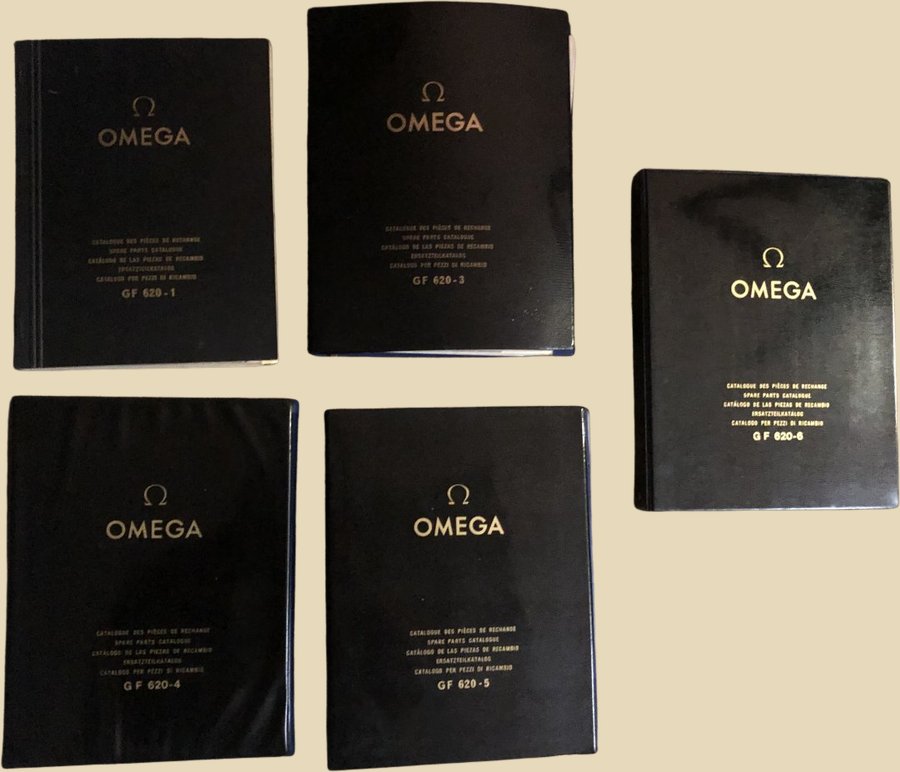
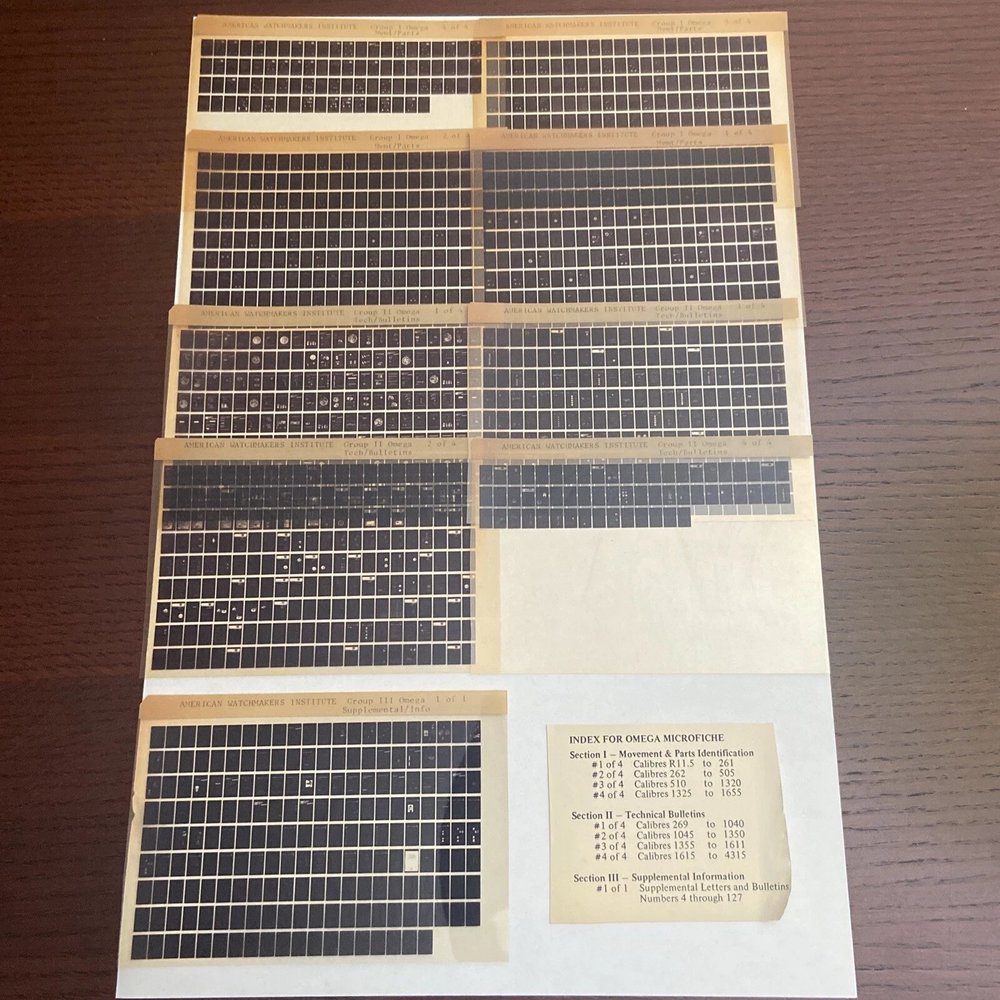
Every calibre and case pairing on this site is checked against these. Which fiche sheet covers your calibre?
Where to sell, from best price to fastest cash
| Where | Price | Speed | Best for |
|---|---|---|---|
| eBay | Highest for most watches | 1–2 weeks | Almost any vintage Omega. The most buyers, and you can see what yours actually sold for. |
| Chrono24 | High | Weeks | Higher-value watches, where buyers want escrow and a dealer-style listing. |
| Watch forums | High | Days to weeks | Collector pieces. Knowledgeable buyers, but most sales sections need an established account. |
| Auction house | Varies | Months | Rare references and solid gold pieces worth enough to cover the seller's fees. |
| Specialist dealer | Trade price | Same day | When speed matters more than money. |
| Jeweller or pawn shop | Lowest | Same day | Only a last resort. Many will price a gold watch as scrap. |
| As parts | Often beats a poor whole watch | 1–2 weeks | Non-runners, redials and marriages. Movement, dial and case listed separately. |
Fees change, so check each platform's current seller fees before you list. On a lower-value watch they can decide which option actually pays you most.
Getting the most on eBay
Start with what yours is really worth. Asking prices on eBay mean nothing; finished sales mean everything. Look up your model's sold prices first, then set your price or your auction start from them.
Five photos that sell a vintage Omega
- The dial, straight on and under a raking light. Buyers are looking for a redial. Show them there isn't one.
- The caseback, outside and inside. The reference, and any fineness stamp if it is gold.
- The movement, with the calibre number readable. Nothing lifts buyer confidence more.
- The lugs from the side. Sharp, unpolished edges are worth money.
- The watch on a kitchen scale. Essential if you are selling it as solid gold.
Then put the calibre and the reference in the title (Omega Seamaster 166.010 cal. 562 sells better than Vintage Omega watch), and say plainly what has been replaced: crown, crystal, strap. Honest listings get fewer returns and better feedback.
Don't service it, don't polish it
It's tempting to have a watch serviced before selling. For a vintage Omega it rarely pays: buyers expect to service a 50-year-old watch themselves, and a full service can cost more than it adds to the price. Just say whether it runs and keeps time. And never polish the case. Collectors pay for sharp, original edges, scratches and all.
Selling a broken or mismatched Omega
A watch that doesn't run, or has the wrong movement, a redialed face or a replaced case, isn't worthless. It's parts. A running calibre, an original dial and a correct case each have buyers among watchmakers and restorers, and a solid gold case is worth at least its weight in gold. Sold separately, the pieces can beat what the whole watch would fetch. Name each part by its calibre or reference and it will find its buyer.
Sell it with proof of what it is. The Movement ID report puts the calibre, the case reference, the dial and the metal in writing, checked against Omega's own parts catalogues, with three honest values: as a watch, as parts and as gold. It answers the buyer's biggest question before they ask it. US$75, and nothing to pay until I confirm the photos can answer it.
Questions people ask
Where can I sell my Omega watch?
eBay reaches the most buyers and usually gets the highest price for a vintage Omega. Chrono24 suits higher-value watches. A specialist dealer is fastest but pays less, because they need room to resell. A jeweller or pawn shop pays least. A broken or mismatched watch often sells best as parts.
How do I get the most money for my Omega?
Know exactly what it is before you list it: the calibre, the case reference, whether the dial is original and whether the case is solid gold or plated. Put the calibre and reference in the listing title, show clear photos of the dial, the caseback inside and out and the movement, and say plainly what has been replaced. Buyers pay more when they don't have to guess.
Should I get my Omega serviced before I sell it?
Usually not for a vintage watch. Buyers expect to service a 50-year-old watch themselves and price that in, and a service often costs more than it adds to the sale price. Say honestly whether it runs and keeps time.
Should I polish my Omega before selling it?
No. Polishing softens the case edges and lugs, and collectors pay more for an unpolished case, even a scratched one. Clean it gently and leave the metal alone.
Can I sell a broken Omega watch?
Yes. A running calibre, an original dial and a correct case each have value on their own, and a solid gold case is worth at least its gold. Broken and mismatched Omegas sell on eBay as parts or project watches every day. Describe it honestly as not running.
Watch Breaker is an independent identification specialist and is not affiliated with, endorsed by or connected to Omega SA or the Swatch Group. Omega is a trademark of Omega SA. Terms.